Brake Pads & Discs
ONLINE QUOTE
Send us your details so we can help get your car safe and roadworthy again.
GET A QUOTE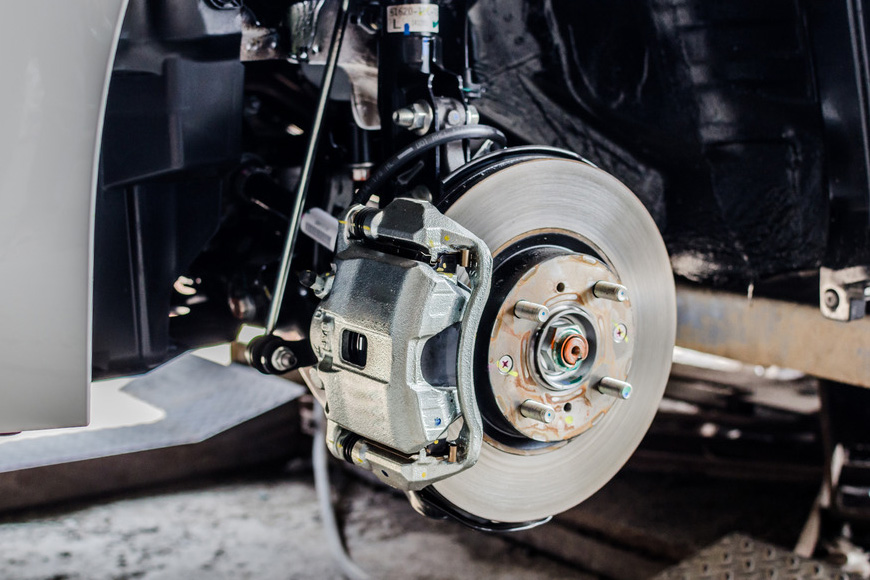
BRAKE PADS & DISCS REPLACEMENT IN ROTHERHAM
Brake pads form a vital part of the disc brake system. The friction material is applied onto the brake disc surface by the calliper pistons to generate the friction to stop the wheels turning. Brake pads are governed by legislation commonly known as Regulation 90. Grinding, squeaking or squealing breaks are a sign that your brakes are not working efficiently. The brake pads are a vital component of your braking system, gripping the brake disc and slowing the car through friction. If your pads are worn, they need to be replaced for your safety.
A major component of your car's braking system, the brake disc sits on the wheel hub and slows the car down when the brakes are applied through the use of friction. Your car's brake pads 'grab' onto either side of the brake discs through the application of a hydraulic piston. This reduces the speed of the car and allows it to come to a safe stop. Although made of high tensile steel, brake discs for any make and model of car can become worn or pitted over time, and will eventually need replacing. Worn brake discs can produce inefficient braking results, so it is important to check your discs regularly and replace with high-quality brake discs only.
POPULAR QUESTIONS
-
My car has recently started making a squealing noise while driving that goes away when I apply the brakes. What could be wrong?
Most likely your brake pads are worn sufficiently enough to allow their "wear indicators" or "sensor" to touch the disc brake rotor. When this occurs, the "sensor" emits that high pitch noise designed to warn you that your brakes need immediate attention.
-
Sometimes my brakes make a grinding or groaning noise that only happens at very low-speed stops. Are my brakes going bad?
Only a complete brake system inspection by a mechanic can give you an accurate answer, however, the particular type of noise is generally considered normal, particularly on vehicles with semi-metallic pads or most front-wheel-drive cars. The noise is simply a vibration that can be more felt than heard coming from the front disc pads because on slower stops you don't have the brakes applied fully which allows them to vibrate against the rotor surface.
Usually, no service is required as the noise is unavoidable, however, if the noise is constant and occurs at almost every stop, the brake system should get immediate service. -
Should I replace my brake pads when replacing my brake discs?
We are often asked why brake discs cannot be replaced without replacing the pads at the same time. There are a few reasons why we recommend replacing the brake pads when having a brake disc replacement done.
The main reason is that if you don’t replace brake discs and pads together, your brand new discs will wear unevenly and can get damaged. Your old brake pads will have developed a surface profile (or wear pattern) that will correspond to the vehicle’s old brake discs. Likely, the old brake pads will not be perfectly flat, therefore, and putting them on the new brake discs will mean the profile of the pads will essentially ‘eat’ its way into your nice new discs. The result? Your brand new discs will wear unevenly and damage may occur – in some cases, it might even lead to an MOT failure.
WHY CHOOSE US
There are many independant garages out there to choose from and the choosing the right one can be difficult. A few key points to assure you in booking with us:
- We have been established for over 20 years
- Experienced mechanics who get the job done right, the first time.
- We focus on customer satisfaction and achieving customer loyalty, therefore we NEVER try to make you part with money where we can save you money.
- We are friendly, easy to talk to and don't shy away from explaining anything to our customers.
- We are the First Choice for many Sheffield & Rotherham taxi drivers.